
Firetail Photography | Documenting Life Where the Wild Begins
Capturing the richness of Australia’s native wildlife and wild places, we aim to inspire connections to nature and support conservation.
Featured Products

Not actually $10,000!! Given this is a custom sized print, pricing is a little more complicated with our supplier. Send us an email with the size you’d like and we’ll get back to you with the price.
Breeding exclusively on three small, remote islands off the coast of Tasmania, Shy Albatrosses are an emblem of the wild southern seas. These spectacular birds range thousands of kilometers, often just centimeters above the icy subantarctic waters, in search of an abundance of fish. Remarkably, these birds can fly for days—sometimes even weeks—without ever touching down, gliding effortlessly on the omnipresent ocean winds. As they soar across vast seascapes, they rest by shutting down one side of their brain at a time, sleeping on the wing while staying alert to the world around them—a phenomenon known as unihemispheric slow-wave sleep.
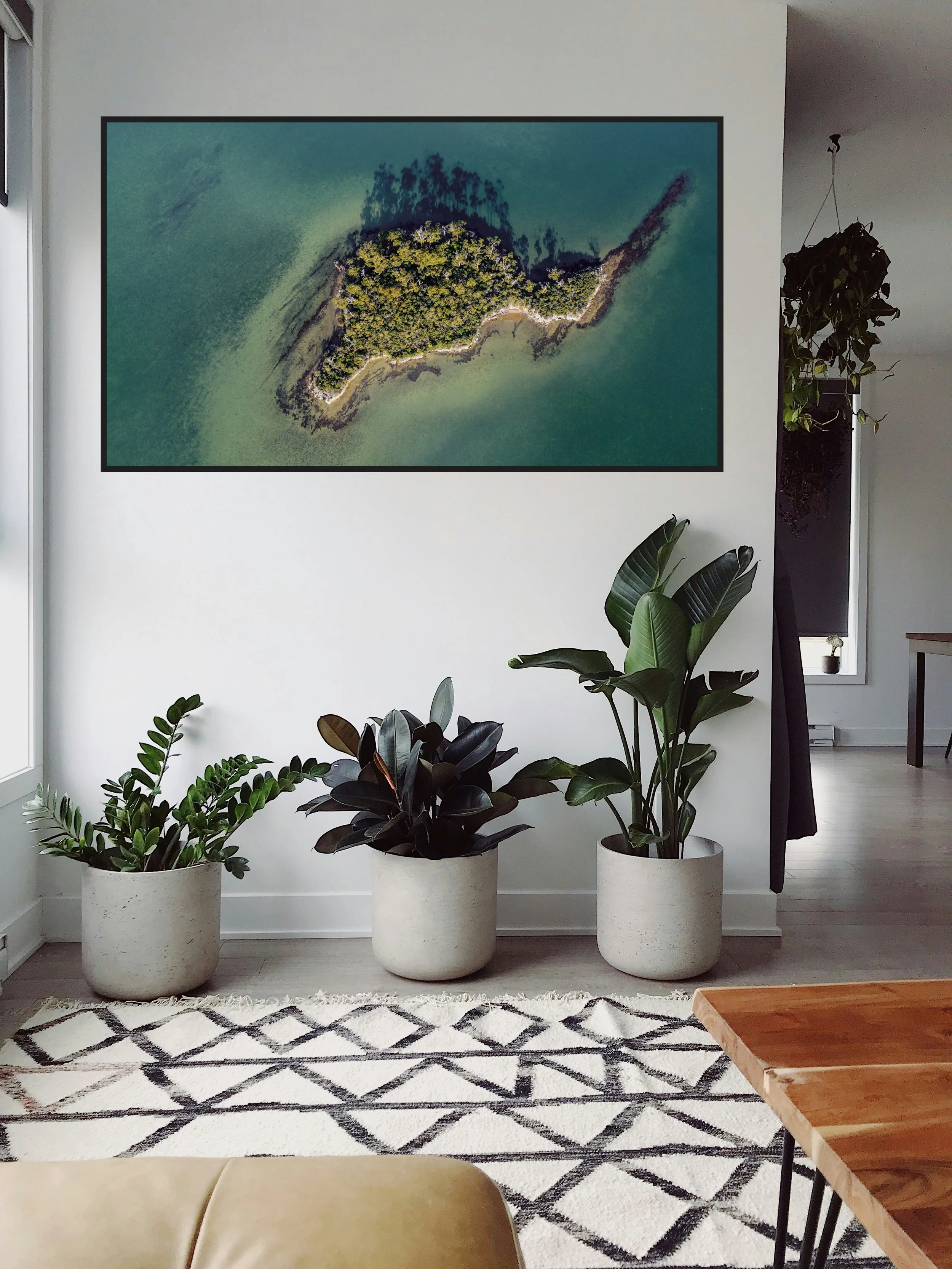
From high above, a small island in southern Tasmania sits quietly beneath the afternoon sun. Tall trees reach skyward, their long shadows stretching and their dark fingers tracing patterns across the still water. The golden light softens the rocky edges of the island, revealing a place untouched and steady, where time moves slow and the rhythm of nature holds firm. Here, isolated and framed by the sea, the island carries its own story—of growth, shelter, and the gentle pull of light and shadow through the day.
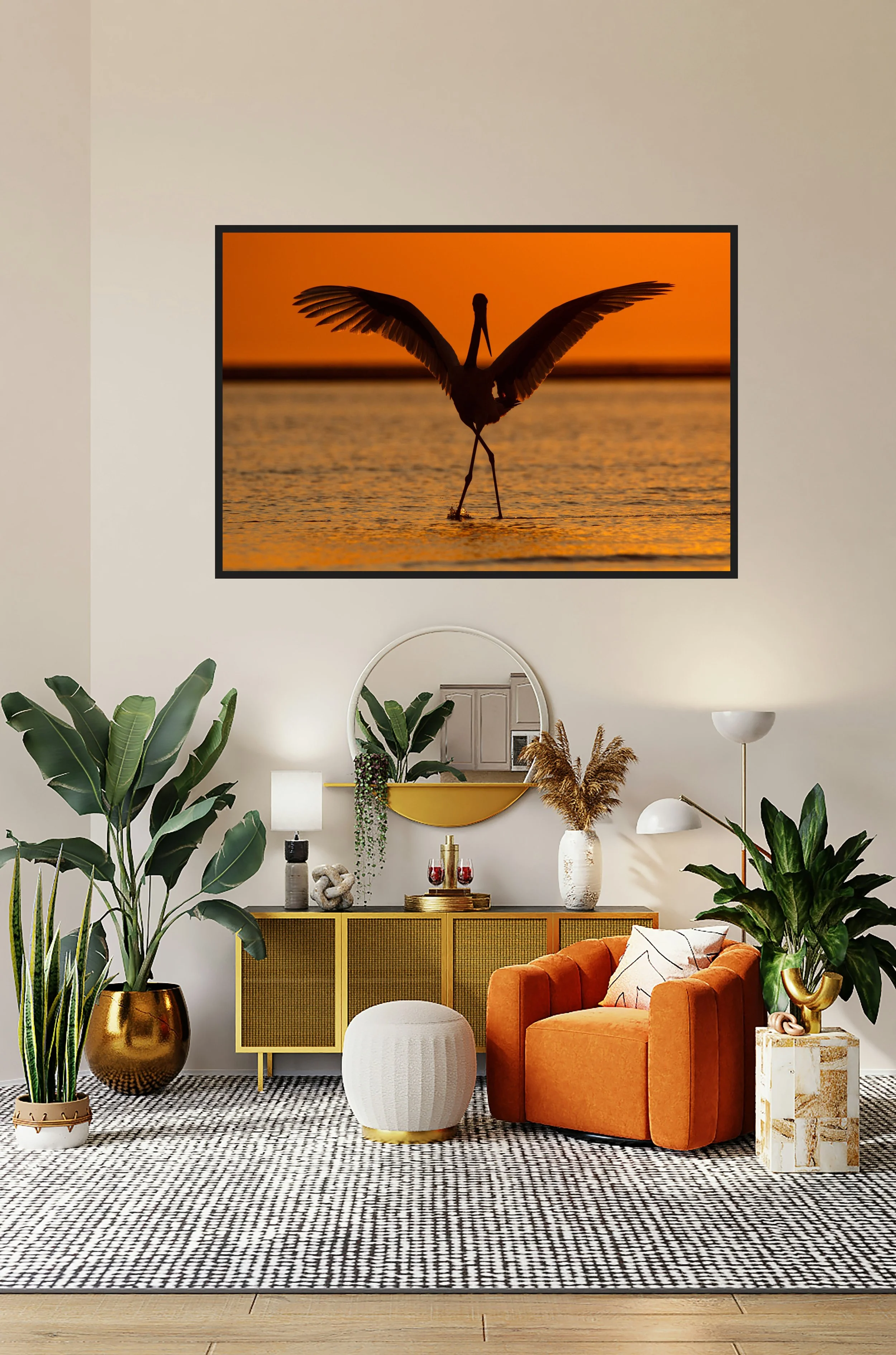
Jabirus, more formally known as Black-necked Storks, are an icon of Northern Australia. These imposing birds stand up to 1.3 metres tall, complimented by a wingspan stretching over two metres. Built for wetlands, they wade through floodplains and billabongs on stilt-like legs, hunting fish, frogs, and insects. Their feathers flash iridescent blues and greens in the sun, set against a stark white body and jet-black neck. Unlike most stork species, they’re found only in Australia and parts of Southeast Asia—here, they’re the last of their kind. Usually seen alone or in pairs, they can remain motionless for long stretches before suddenly bursting into a flurry of activity, vigorously hunting their next meal.
This image was awarded first place in both the Niches and Hollows (animals) and Early Career Ecologist categories in the 2024 Ecological Society of Australia Photo Competition.
About Firetail
We are passionate about the wildlife and wild places of Australia. Paired with a keen sense for adventure, we are driven to explore.

Combining wildlife and a dash of landscape photography, we attempt to capture the essence of the land we are lucky enough to call home. Learn more











Contact Us
If you’re interested in contacting us to discuss photography related matters (or anything else!) please reach out to our Instagram account or send us an email via the form below.